

Dr. Menka Gupta*, MBBS, MSc, FMCP-M
IFM-Certified Functional Medicine Practitioner • 25+ Years Experience
✓ Evidence Based •
- October 26, 2026
- Dr Menka Gupta
- 6:35 pm
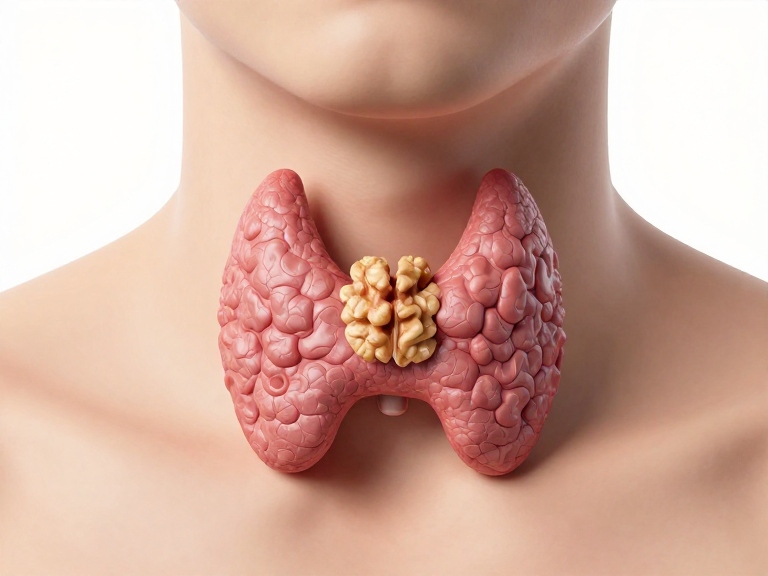
Your thyroid may be about the size of a walnut, but it plays a significant role in regulating every cell in your body. It’s a butterfly-shaped structure situated at the base of your neck that helps control your heart rate, energy levels, body temperature, and much more. Usually, thyroid glands work efficiently without any problem, but when it produces too much hormone, the body begins to accelerate, your heart rate may be increased, your metabolism may speed up, your anxiety may increase, tremors may occur, and there may be unexplained weight loss. And this condition is named Hyperthyroidism.
Hyperthyroidism usually develops gradually and can mimic other health conditions like stress, anxiety, rapid heart rate or tremors and that’s why it goes months or even years before diagnosis and appropriate treatment.
This blog is about hyperthyroidism, what causes it, and the complete approach to treating it, including a functional medicine approach that goes beyond just treating symptoms to address the whole body.
What Is Hyperthyroidism?
Hyperthyroidism happens when the thyroid produces excess thyroid hormones. The two primary hormones are T3 or triiodothyronine and T4 or thyroxine. These hormones affect metabolism, heart rate, body temperature and energy usage. If they are consistently too high, all of these systems are affected.
Approximately 1.2% of people experience hyperthyroidism, it is also most common in women, who are five to ten times more likely to have the disease than men. The most widely diagnosed age range is between 20 and 50 years, although it is experienced at nearly all ages. The disease manifests itself in less to more severe forms that can be chronic and life-threatening if left untreated.
Symptoms of Hyperthyroidism:
Hyperthyroidism presents with such a variety of signs and symptoms that sometimes it is mistaken for anxiety, perimenopause, burnout or just plain stress.
Common signs of hyperthyroidism include:
- Rapid or irregular heartbeat (palpitations)
- Lack of weight gain despite a normal or increased appetite
- Tremor of the hand, or fingers.
- Anxiety, irritability or restlessness
- Difficulty sleeping
- More than usual bowel movements or diarrhoea
- Notably, muscle weakness in the thighs and upper arms.
- Hair thinning/Hair loss
- Diminished or irregular menstrual cycles in women
In Graves‘s disease (which makes up around 80% of cases of hyperthyroidism), there are extra features of:- gross protrusion or dryness of the eyes (Graves ophthalmopathy); goitre; and other extra-thyroid symptoms. Symptoms of hyperthyroidism develop very slowly and may therefore be missed initially.
What Causes Hyperthyroidism?
Different causes of hyperthyroidism exist, but the overwhelming majority is classified as an autoimmune disease called Graves’ disease. This type accounts for 70-80% of all hyperthyroidism, and is characterised by the formation of activating thyrotropin-receptor antibodies that cause relentless, unregulated production of thyroid hormones. It has been traditionally reported that the pathophysiology of the disease was directly related to chronic inflammation, oxidative stress and DNA damage, which confer a striking susceptibility of the gland.
Contributing and environmental factors include:
- Excess dietary iodine
- Infection and viral triggers (including reactivation of the Epstein-Barr virus)
- Others are under emotional or persistent psychological stress.
- Smoke. Exposure to tobacco smoke
- Immune predisposition due to genetic variations:
Other structural causes include:
- Toxic multinodular goitre: multiple autonomous nodules; secreting hormone independent of TSH.
- Toxic adenoma: one autonomous hormone-producing nodule
- Thyroiditis: inflammation allowing the stored thyroid hormone to leak into the circulation.
How Is Hyperthyroidism Diagnosed?
The work-up for hyperthyroidism involves a complete history and physical examination. The diagnosis of hyperthyroidism starts with thyroid function studies. A decreased serum TSH concentration is the initial sensitive and specific screening test. Free T4 then confirms the degree of excess thyroid hormone. Total or free T3 levels give further confirmation.
Thyrotropin receptor antibody (TRAb) or thyroid-stimulating immunoglobulins (TSIs) are definitive for Graves’ disease. Further investigations, where necessary, include radioactive iodine uptake to distinguish between Graves disease, toxic nodular goitre, or thyroiditis, and Graves orbitopathy scoring if eye symptoms exist. Importantly, this includes not only the hormone indices but also antibody profiling, vitamin D and selenium levels, and inflammatory markers.
Functional Medicine Approach to Hyperthyroidism
Conventional medicine for hyperthyroidism treatment focuses on reducing thyroid hormone output through antithyroid medication, radioactive iodine ablation, or thyroidectomy. These are effective and sometimes necessary in moderate to severe cases of hyperthyroidism.
But they address the output of the thyroid gland rather than finding out the underlying cause of immune dysfunction leading to disease progression.
Functional medicine asks a different question: why is the immune system attacking the thyroid in the first place? In Graves’ disease, the primary issue is not solely thyroid overactivity but a disruption in the immune system leading to autoimmune stimulation.
Here are some of the common root causes from a functional medicine perspective that need attention:
- Disturbance in gut permeability- When there’s a disturbance in the gut lining, unwanted food particles and some bacteria enter the bloodstream, leading to activation of the immune system. Over time, this immune system activation confuses immune regulation and contributes to autoimmune diseases like Graves’ disease, in which the body’s cells fight with each other.
- Nutritional deficiency- Nutritional deficiency plays a significant role in autoimmune disease, as deficiency of several nutrients, like vitamin D, zinc, selenium, and B vitamins, weakens the immune system and thus increases the risk of autoimmune thyroid activity.
- Chronic infection or triggers- Any chronic infection or triggers continuously stimulate the immune system, causing an all-time alert state in the body and, in some cases, mistakenly shift toward attacking the body’s own cells and leading to autoimmune diseases.
- Environmental toxins- Toxins like BPA, pesticides, phthalates, and heavy metals may interfere with immune signalling and disrupt hormone receptors. This may lead to confusion in the immune system and contribute to thyroid-directed autoimmune disease such as Graves’ disease.
- Genetic predisposition- Genes also play a role in autoimmune disease, as some people are more prone to autoimmune disease due to their gene mapping, and when there are any type of triggers, it can easily lead to autoimmune disease.
- Food sensitivities- Repeated exposure to certain foods causes the body to react and cause inflammation. This chronic inflammation may increase the risk of autoimmune conditions, particularly in genetically susceptible persons.
Managing Hyperthyroidism Through Lifestyle and Environmental Adjustments
Lifestyle is not a soft add-on for hyperthyroidism; it directly modulates the immune and hormonal pathways involved.
The steps that can be taken are:
- Reduce iodine load as it may increase thyroid hormone synthesis.
- Smoking cessation is strongly associated with the progression of Graves’ disease.
- Prioritise sleep to support your immune, metabolic, and hormonal health.
- Reduce toxic burden to avoid triggers and inflammation in your body.
- Gentle, consistent movement to regulate metabolic and immune health.
These interventions may feel small, but they help regulate innumerable activities by reducing load.
Nutrition-based functional support in Graves’ disease
Functional medicine uses several nutrients to support your immune health, reduce inflammation, improve gut health, and improve thyroid-related oxidative stress.
These nutrients are not only used to manage the problem, but also to support the body in the long term, to manage ongoing symptoms and to prevent any other diseases.
Here are some of the common nutrients from a functional medicine perspective:
Selenium- It is an essential mineral involved in the metabolism of thyroid hormone and has antioxidant properties. In Graves’ disease, within thyroid tissue, oxidative stress is often elevated, leading to immune activation, and in such cases, selenium supports thyroid antibody balance and reduces oxidative stress within.
For example, Thyrommune contains a clinically researched combination of myo-inositol and selenium as selenomethionine.
Myo-inositol- A naturally occurring sugar alcohol that plays an important role in cell membrane structure, cellular signalling pathways involved in thyroid hormone and insulin regulation. It supports cellular communication between thyroid and immune cells.
When myo-inositol is combined with selenium, it may support the immune system.
For example- Thyrommune ( blend of myo-inositol and selenium)
Curcumin- An active compound of turmeric, is often used in autoimmune conditions as it reduces inflammation, balances the immune system without immune suppression, and has antioxidant properties.
For example, curcumin-based immune support blended supplements like ImmunoMod-A.
Vitamin D– Vitamin D deficiency is directly linked to Graves’ disease; it’s important to introduce Vitamin D supplements in these conditions. Also, vitamin D3, alongside vitamins K1 and K2 (MK-4) and geranylgeraniol, supports immune balance, bone health, and arterial integrity.
For example, Vitamin D Supreme
Omega-3 Fatty Acids– They play a significant role in structuring cell membranes and have an anti-inflammatory role as well. Omega-3 fatty acids, especially EPA and DHA, support a healthy inflammatory response and proper cell membrane structuring, both relevant in autoimmune conditions like Graves’ disease.
For example, OmegAvail Hi-Po provides 800 mg each of EPA and DHA per serving.
Gut Barrier Supporting Nutrients- Given the established link between gut microbiome changes and Graves’ disease, restoring gut barrier function is a clinically meaningful strategy. Hence, immunoglobulin-based proteins and N-acetyl-D-glucosamine (supporting mucosal repairing) are used to support intestinal barrier integrity and gut immune health
For example, IgGI Shield combines ImmunoLin (serum-derived bovine immunoglobulin G).
Note: Iodine supplements, tyrosine, and ashwagandha, often used for general thyroid support, are contraindicated in hyperthyroidism and Graves disease. All protocols should be supervised by a qualified practitioner with active monitoring of thyroid function and antibody levels.
Conclusion
Hyperthyroidism is not simply a thyroid problem. In most cases, it is an immune problem, one that the thyroid bears the consequences of. The pathophysiology of Graves disease involves chronic inflammation, oxidative stress, DNA damage, and a gut-immune axis that rarely gets addressed in standard care.
Treating it well means addressing both the hormonal output and the immune environment generating it. Conventional hyperthyroidism treatment offers effective tools for bringing levels under control. A functional medicine approach fills the gap by identifying root triggers, correcting nutritional deficiencies, restoring gut health, and building the physiological resilience that reduces relapse risk.
The signs of hyperthyroidism are worth taking seriously early. A full thyroid panel, including antibody status, is a reasonable and often revealing starting point.
📚 References (3 sources)
- 1.Davies, T.F., Andersen, S., Latif, R., et al. (2020). Graves’ disease. Nature Reviews Disease Primers, 6(1), 52. https://doi.org/10.1038/s41572-020-0184-y
- 2. Marcocci, C., Kahaly, G.J., Krassas, G.E., et al. (2011). Selenium and the course of mild Graves’ orbitopathy. New England Journal of Medicine, 364(20), 1920–1931. https://doi.org/10.1056/NEJMoa1012985
- 3.Lee, S.Y., & Pearce, E.N. (2023). Hyperthyroidism: A Review. JAMA, 330(15), 1472–1483. https://doi.org/10.1001/jama.2023.18921
Frequently Asked Questions (FAQ)
What is hyperthyroidism, and how does it affect metabolism?
Hyperthyroidism is a condition in which your thyroid gland produces excessive amounts of thyroid hormones, triiodothyronine (T3) and thyroxine (T4). These hormones regulate metabolic processes, including energy consumption, heart rate, digestive metabolism, body temperature, and nutrient metabolism.
When thyroid hormones are increased, the body’s metabolic process also increases, leading to several symptoms such as unexplained weight loss, increased hunger, irregular heartbeat, anxiety, irregular bowel movements, and many more. Additionally, over time, untreated hyperthyroidism leads to cardiovascular complications, reduced bone mineral density, and muscle wasting.
What is the difference between hyperthyroidism and hypothyroidism?
They are opposites. Hyperthyroidism is a state of too much thyroid hormone, driving a system that won’t slow down. Hypothyroidism is a state of deficiency, i.e. too little thyroid hormone, resulting in fatigue, weight gain, cold intolerance, depression, and cognitive slowing. Both are thyroid dysfunctions, but their mechanisms, causes, and treatments differ significantly. Graves’ disease is the classic autoimmune disease of hyperthyroidism; Hashimoto thyroiditis is the classic autoimmune disease of hypothyroidism. Both involve immune attack on the thyroid but produce opposite hormonal outcomes.
Is Graves' disease the main cause of hyperthyroidism?
Yes. Graves’ disease accounts for approximately 70 to 80% of all hyperthyroidism diagnoses globally. It is an autoimmune condition in which the immune system produces antibodies that continuously stimulate the thyroid, overriding the normal feedback loop. Unlike other causes of hyperthyroidism, such as toxic nodular goitre or thyroiditis, Graves’ disease typically presents with additional immune features, including eye involvement (Graves ophthalmopathy) and, less commonly, skin changes (pretibial myxedema). It tends to run in families and is far more common in women than men.
What are the underlying root causes of Graves' disease?
Graves’ disease does not arise from a single cause; it’s multifactorial, involving several causative factors such as genetic, environmental, and immunological factors. Genetic susceptibility creates a baseline risk, but environmental factors appear to pull the trigger. Also, Epstein-Barr virus reactivation is consistently linked to autoimmune thyroid disease onset. Moreover, clinical evidence suggests increased intestinal permeability and alteration in gut microbiome may contribute to immune dysregulation and result in Graves’ disease.
However, one of the most common proposed causative mechanisms of Graves’ disease is molecular mimicry, in which microbial antigens may cross-react with thyroid tissue. Other factors, such as hormonal shifts, particularly postpartum estrogen fluctuation, are known precipitants in women. Chronic psychological stress, iodine excess, and heavy metal accumulation also figure prominently in the research literature.
Can chronic stress and adrenal fatigue trigger hyperthyroidism?
Chronic stress is not a direct cause of hyperthyroidism. However, it may lead to or worsen the autoimmune thyroid disorder named Graves’ disease in genetically predisposed individuals. Stress activates the hypothalamic-pituitary-adrenal (HPA) axis and influences disease activity by affecting immune mechanisms and the inflammatory process. Also, several observational studies show that major life stress, such as bereavement, relationship breakdown, etc., can contribute to the onset of Graves’ disease. However, stress alone is unlikely to be a sole causative factor of hyperthyroidism; it may act as one of the environmental factors contributing to the disease. Hence, it’s important to adapt the comprehensive treatment approach for Graves’ disease alongside medical care.
However, one of the most common proposed causative mechanisms of Graves’ disease is molecular mimicry, in which microbial antigens may cross-react with thyroid tissue. Other factors, such as hormonal shifts, particularly postpartum estrogen fluctuation, are known precipitants in women. Chronic psychological stress, iodine excess, and heavy metal accumulation also figure prominently in the research literature.
Can hyperthyroidism be managed naturally?
Mild hyperthyroidism, particularly in early Graves disease, can respond meaningfully to a root-cause approach, including dietary change, gut repair, stress regulation, targeted supplementation, and toxin reduction. Even some clinical trials found that selenium supplements may reduce thyroid autoantibodies in Graves’ disease. However, selenium should be considered only as a supportive supplement rather than a whole treatment. Moderate to severe hyperthyroidism requires conventional medicine for hyperthyroidism alongside natural strategies, not instead of them. As untreated or poorly managed hyperthyroidism carries real cardiovascular risk, including atrial fibrillation and bone density loss. Natural management works best as a complement to medical care, with regular monitoring of thyroid function and antibody levels.
However, one of the most common proposed causative mechanisms of Graves’ disease is molecular mimicry, in which microbial antigens may cross-react with thyroid tissue. Other factors, such as hormonal shifts, particularly postpartum estrogen fluctuation, are known precipitants in women. Chronic psychological stress, iodine excess, and heavy metal accumulation also figure prominently in the research literature.