

Dr. Menka Gupta*, MBBS, MSc, FMCP-M
IFM-Certified Functional Medicine Practitioner • 25+ Years Experience
✓ Evidence Based•
- October 26, 2026
- Dr Menka Gupta
- 6:09 pm
It can be extremely alarming to lose your hair unexpectedly, particularly when it happens suddenly and without any explanation or warning signs. And one common cause of this type of hair loss is Alopecia areata. Alopecia areata is an autoimmune condition in which your immune system mistakenly attacks your hair follicles, leading to round patches of hair loss, especially on the scalp, face, or any other areas of the body.
Although Alopecia areata can be emotionally distressing, it is a relatively common condition nowadays affecting nearly 2% of the global population, once in their lifetime.
In this blog, let’s understand the underlying causes, symptoms, treatment options, and much more.
What Is Alopecia Areata?
Alopecia areata is an autoimmune disease in which the immune system attacks the hair follicles, resulting in different types and patterns of hair loss, the most common being a few distinct patches. Unlike most hair loss, the follicle isn‘t permanently destroyed; rather, it simply becomes inactive. This is why regrowth of hair is often possible when the underlying causative factor is addressed.
Alopecia areata may involve the scalp, eyelashes, eyebrows, face, beard and even body hair. Sometimes only small patchy areas are involved, but on occasion, alopecia totalis or alopecia universalis can occur. Contrary to popular belief, alopecia areata is not contagious, not infectious, and not only caused by stress or poor personal hygiene.
Alopecia Areata is a very common condition among the population
Alopecia areata is actually much more common than most people think. It occurs in roughly 2% of the world’s population at any one time and affects all ages, genders and races.
What makes this disease so difficult is how unpredictable it is. Some individuals experience a loss of single patches that regrow, while others may have recurrent patchy hair loss, which regrows and again hair loss, it’s like a recurrent cycle for years. It doesn‘t have a standard pattern, so for many, it can be months or even years before a diagnosis is reached. However, there has been a considerable increase in awareness and understanding of the condition.
What Are the Signs of Alopecia Areata?
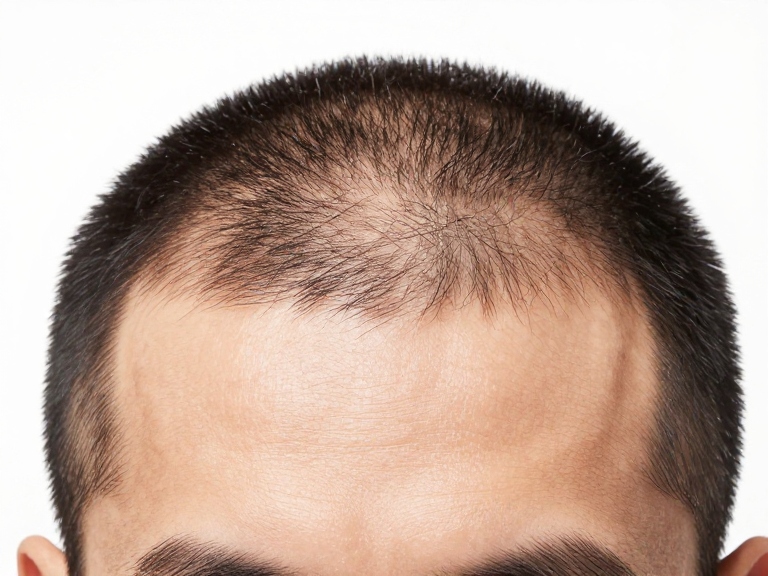
The most obvious presentation of alopecia areata is hair loss or hair thinning in patches of skin or scalp. These are typically round or oval-shaped, smooth and shiny to the touch and vary in size from a coin to your whole hand. They tend to first appear on the scalp but can be found anywhere on the body where hair grows.
Other common symptoms include:
- Exclamation mark hairs – hairs are broken and taper to a point at the base. They are usually seen at the margins of bald areas.
- An itching, burning or tingly feeling on the scalp within a few days before a patch appears
- Nail changes such as pitting, ridging or a rough, sandpaper-like surface.
- Regrowth of white or fine vellus hair before it appears to grow back to its normal colour.
- In severe cases, 100% scalp hair loss and/or 100% body hair loss.
It is important to remember that areata hair loss is not associated with scarring or inflammation, which is commonly observed in other types of “scarring alopecia”. The lack of any visible damage to the skin is, in fact, a favourable sign that the follicles are present and can subsequently generate the hair.
What Causes Alopecia Areata?
Alopecia areata is an autoimmune disorder in which your immune system mistakenly targets its own hair follicles and thus disrupts the hair growth cycle, and also causes non-scarring hair loss. This condition is primarily due to autoreactive T lymphocytes attacking hair follicles. Moreover, this immune activation affects hair follicles to prematurely enter a resting phase, resulting in impaired hair growth.
Although there is no definitive cause for this, different factors that predispose individuals to the disorder have been noted.
These include:
• Genetic predisposition — if your family has an autoimmune disorder, then you are much more likely to develop one.
• Chronic psychological/ physiological stress depresses regulation.
•.Gut dysbiosis,• Intestinal permeability “leaky gut”, which forms the basis of the systemic immune dysfunction
• Thyroid disease and, in particular, Hashimoto‘s disease, which is often associated with alopecia areata.
• Nutritional deficits particularly zinc, iron, vitamin D, and B12 • Nutritional deficiencies zinc, iron, vitamin D and B12.
• Hormonal imbalances and disrupted cortisol rhythms
Alopecia areata is multifaceted. It often results from an interaction between genetics and environmental or physiological factors, accounting for why an efficient root-cause approach achieves a greater success rate than a superficial/efficacious snip of medicine.
Functional Testing to Identify Underlying Causes of Alopecia Areata
Instead of treating only the symptoms of your alopecia areata hair loss, functional medicine begins with a question: “Why is your immune system acting this way, why it has become dysregulated?”
Several diagnostic tests can identify the root causes of alopecia areata hair loss hidden within your body from a functional medicine perspective.
Key tests typically include:
• TSH, Free T3, Free T4 and TPO antibodies (comprehensive thyroid panel) as a positive autoimmune thyroid screen20.
• Full blood count and iron studies to determine if there is anaemia or iron deficiency.
•Vitamin D, zinc, ferritin and B12 levels to check for adequacy of nutrition
• Cushing‘s syndrome test with cortisol and adrenal function assessment (DUTCH test) to assess for the pattern of stress hormones.
• Analysis of gut microbiome and parameters of intestinal permeability
• Autoimmune antibody panels to identify other diseases
• Blood sugar and insulin levels, as metabolic dysfunction can drive chronic inflammation
These tests paint a far more complete picture than standard investigations, helping identify the specific imbalances that need to be corrected for sustainable recovery.
Functional Medicine Approach for Alopecia Areata
Conventional alopecia areata treatment often involves corticosteroid injections, topical immunotherapy, or medications like minoxidil. While these can be helpful, they work by suppressing or modulating immune activity rather than addressing the root cause.
Functional medicine takes a different approach; instead of just focusing on the management of symptoms, it first rules out the underlying causative factor and then restores the balance within the body.
- Gut Health Restoration
Given the strong connection between gut health and immune regulation, healing the gut lining is often a foundational step. This typically involves removing inflammatory foods (gluten, dairy, processed sugars), replenishing beneficial bacteria with targeted probiotic and prebiotic support, and repairing intestinal permeability with nutrients like L-glutamine, zinc carnosine, and collagen. A healthier gut environment reduces the systemic inflammation that keeps the immune system in overdrive.
- Nutritional Repletion
Correcting identified deficiencies is central to any functional treatment plan. Vitamin D plays a particularly important role in immune tolerance; research consistently links low vitamin D levels with higher rates of autoimmune activity. Zinc supports follicle health and regulates immune responses, while iron deficiency has been closely linked to alopecia areata and hair thinning in clinical practice. Personalised supplementation based on test results is the most effective approach.
- Stress Regulation and HPA Axis Support
Chronic stress is both a trigger and a perpetuating factor in alopecia areata. Elevated cortisol disrupts immune balance, impairs gut integrity, and worsens inflammatory pathways. Functional approaches include adaptogenic herbs such as ashwagandha and rhodiola, mind-body practices like breathwork, meditation, and yoga, along with targeted adrenal support where necessary. These aren’t optional add-ons; they’re genuinely powerful interventions when the data shows stress is a key driver.
- Thyroid and Hormonal Balancing
Because thyroid dysfunction and alopecia areata so frequently co-exist, thyroid optimisation is a priority for many patients. This may involve dietary interventions such as optimising selenium intake, addressing iodine status, or working alongside a physician to review thyroid medication if already prescribed. Hormonal imbalances, including oestrogen dominance or low progesterone, are also assessed and addressed as part of a holistic plan.
- Anti-Inflammatory Diet and Lifestyle
Whole-food, anti-inflammatory nutrients form the backbone of functional treatment for areata hair loss. Emphasising omega-3-rich foods, colourful antioxidant-dense vegetables, and blood sugar-stabilising meals helps dampen the chronic low-grade inflammation that fuels immune dysregulation. Sleep optimisation, regular but non-excessive exercise, and reducing environmental toxin exposure are equally important components of the overall plan.
- Topical and Scalp Support
Alongside internal interventions, targeted scalp care can support the local environment for regrowth. Rosemary oil has emerging evidence for its role in supporting hair regrowth, while scalp massage improves blood flow to follicles. Low-level laser therapy (LLLT) is another evidence-informed tool that some individuals find beneficial as part of a broader protocol.
Conclusion
Alopecia areata is not just a cosmetic issue; it’s a signal that something deeper in the body deserves attention. The patchy, unpredictable nature of areata hair loss can be emotionally exhausting, but it’s important to know that the follicles are not destroyed. With the right approach, regrowth is a very real possibility.
Functional medicine offers a thorough, personalised path forward, one that looks at the whole picture rather than just the patches. By identifying and addressing the immune, gut, nutritional, and lifestyle factors driving your condition, it becomes possible not just to encourage hair regrowth but to build genuine, lasting resilience. If you’re struggling with alopecia areata hair loss and conventional treatments have only offered partial relief, exploring a root-cause approach could be the turning point you’ve been looking for.
📚 References (3 sources)
- 1.Pratt CH, King LE Jr, Messenger AG, Christiano AM, Sundberg JP. Alopecia areata. Nat Rev Dis Primers. 2017;3:17011. doi:10.1038/nrdp.2017.11
- 2.Sibbald C, Alavi A, Zhang K, Yeung J. Alopecia Areata: An Updated Review for 2023. J Cutan Med Surg. 2023;27(3):252-262. doi:10.1177/12034754231171183
- 3.Stalder T, Kirschbaum C, Kudielka BM, et al. Assessment of the cortisol awakening response: expert consensus guidelines. Psychoneuroendocrinology. 2016;63:414-432. https://pubmed.ncbi.nlm.nih.gov/26563991/
- 4.Rajabi F, Drake LA, Senna MM, Rezaei N. Alopecia areata: a review of disease pathogenesis. Br J Dermatol. 2018;179(5):1039-1048. doi:10.1111/bjd.16808
Frequently Asked Questions (FAQ)
What is the main cause of alopecia areata?
Alopecia areata is primarily caused by immune system dysfunction, where T lymphocytes mistakenly attack the hair follicles and force them into a dormant state. However, this immune misfiring doesn’t happen in a vacuum. Contributing factors include genetic susceptibility; chronic psychological stress, gut dysbiosis, hormonal imbalances, and nutritional deficiencies, particularly in vitamin D, zinc, and iron.
Is hair loss from alopecia areata permanent or reversible?
In the majority of cases, alopecia areata hair loss is not permanent. Because the follicles remain alive and intact, just temporarily dormant, regrowth is possible once the immune attack subsides.
How does functional medicine identify the root cause of alopecia areata?
Functional medicine uses comprehensive, personalised testing to look well beyond standard blood panels. This typically includes detailed thyroid antibody screening, micronutrient levels (particularly vitamin D, zinc, iron, and B12), adrenal and cortisol function testing, hormone testing, gut microbiome and intestinal permeability markers, and broader autoimmune antibody panels.
Can autoimmune hair loss spread to the eyebrows and eyelashes?
Yes, alopecia areata can affect hair follicles anywhere on the body, including the eyebrows, eyelashes, beard, and body hair.